COMPLIMENTARY SHIPPING OVER $99.


Natural Diamonds and Lab Grown Variants Understanding the Long-term Value
Welcome to the ArtGold Jewelry blog, where our passion for exquisite jewelry since 2005 aligns with our mission to provide honest and insightful diamond education to our valued customers. With over 20 years in the fine jewelry industry, we are committed to helping you make informed decisions about purchasing diamonds that not only captivate the eye but also serve as timeless heirlooms.
Table of Contents
- Table of Contents
- The Beauty of Natural Diamonds
- Lab Grown Diamonds: An Alternative Perspective
- Ethical Considerations in Diamond Sourcing
- Making the Right Choice for Your Legacy
- Conclusion: The Enduring Value of Natural Diamonds
- FAQs
Understanding the nuanced differences between natural diamonds and lab grown variants is crucial in determining their long-term value. Both options are viable, yet distinct. Let’s navigate through these differences together.
The Beauty of Natural Diamonds
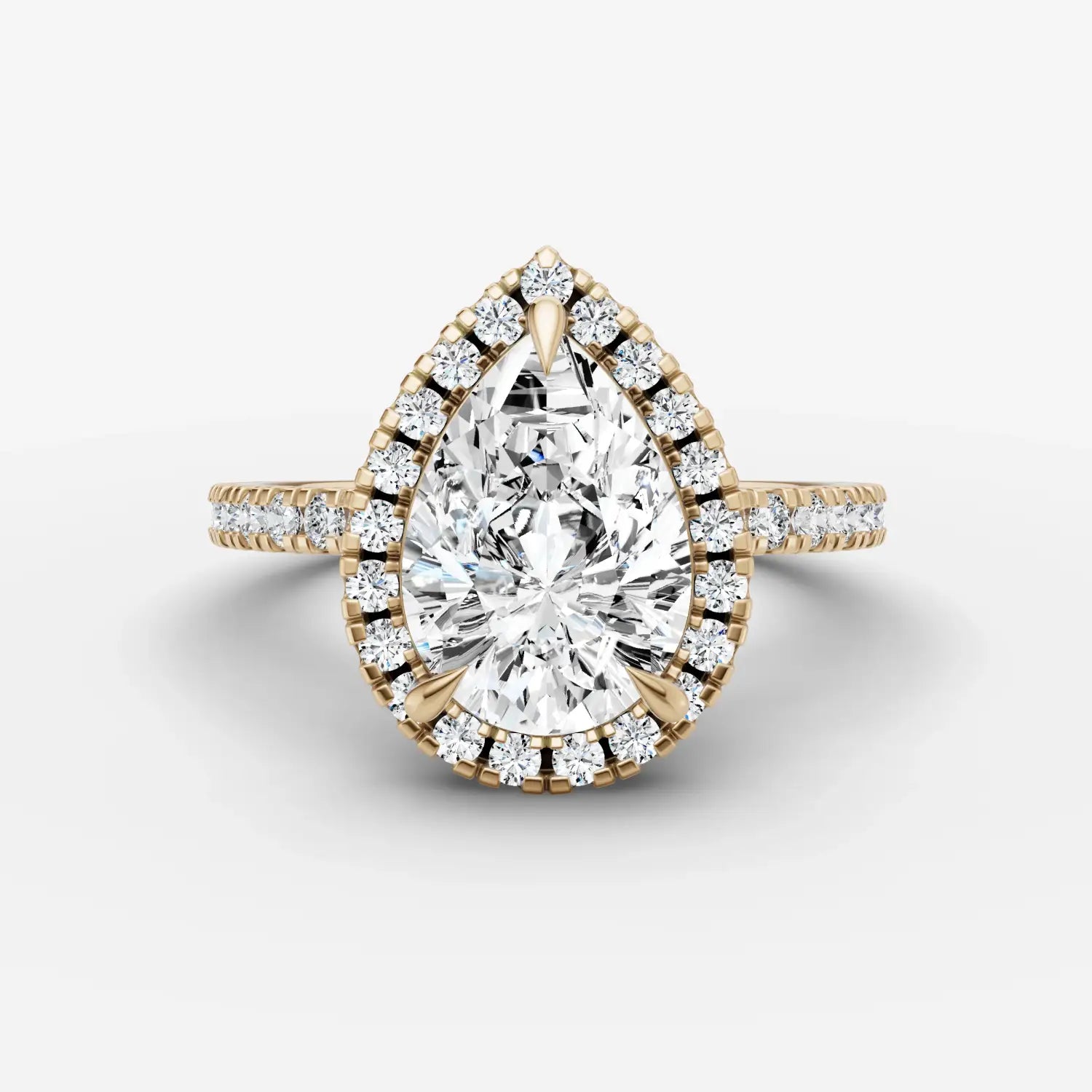
Natural diamonds are the quintessential choice for any piece meant to embody lasting significance. Formed over billions of years, each natural diamond's journey from deep within the Earth to your jewelry box is a testament to its rarity and inherent value.
Natural diamonds' allure goes beyond their physical beauty; they represent a tangible connection to exceptional craftsmanship and timelessness. Our collection boasts stunning pieces like the Aurore Étoile Pear and the Sunshine Blossom Ring, each of which can become cherished family treasures for generations.
Lab Grown Diamonds: An Alternative Perspective
Lab grown diamonds, while chemically identical to their natural counterparts, differ significantly in terms of long-term investment and market dynamics. It's essential to recognize that their production demands high energy consumption, which raises environmental concerns. Importantly, these diamonds currently lack a substantial secondary market and have been observed to depreciate in value owing to oversupply.
Despite these factors, lab grown diamonds can be an appealing choice for trendy or fashion pieces due to their comparative affordability and the fact that they provide the same visual allure as natural diamonds. However, when it comes to engagement rings and lifelong investments, natural diamonds remain the proven choice.
Ethical Considerations in Diamond Sourcing
Ethical sourcing is a significant aspect of the diamond buying guide today. The natural diamond industry has made strides toward transparency and accountability through traceable sourcing and certification, ensuring that the diamonds you acquire come from responsible origins.
For an in-depth understanding, we encourage you to read our comprehensive articles, Your Guide to Ethical Diamond Buying Natural vs Lab Grown and The Significance of Longevity in Choosing Between Natural and Lab Grown Diamonds.
Making the Right Choice for Your Legacy
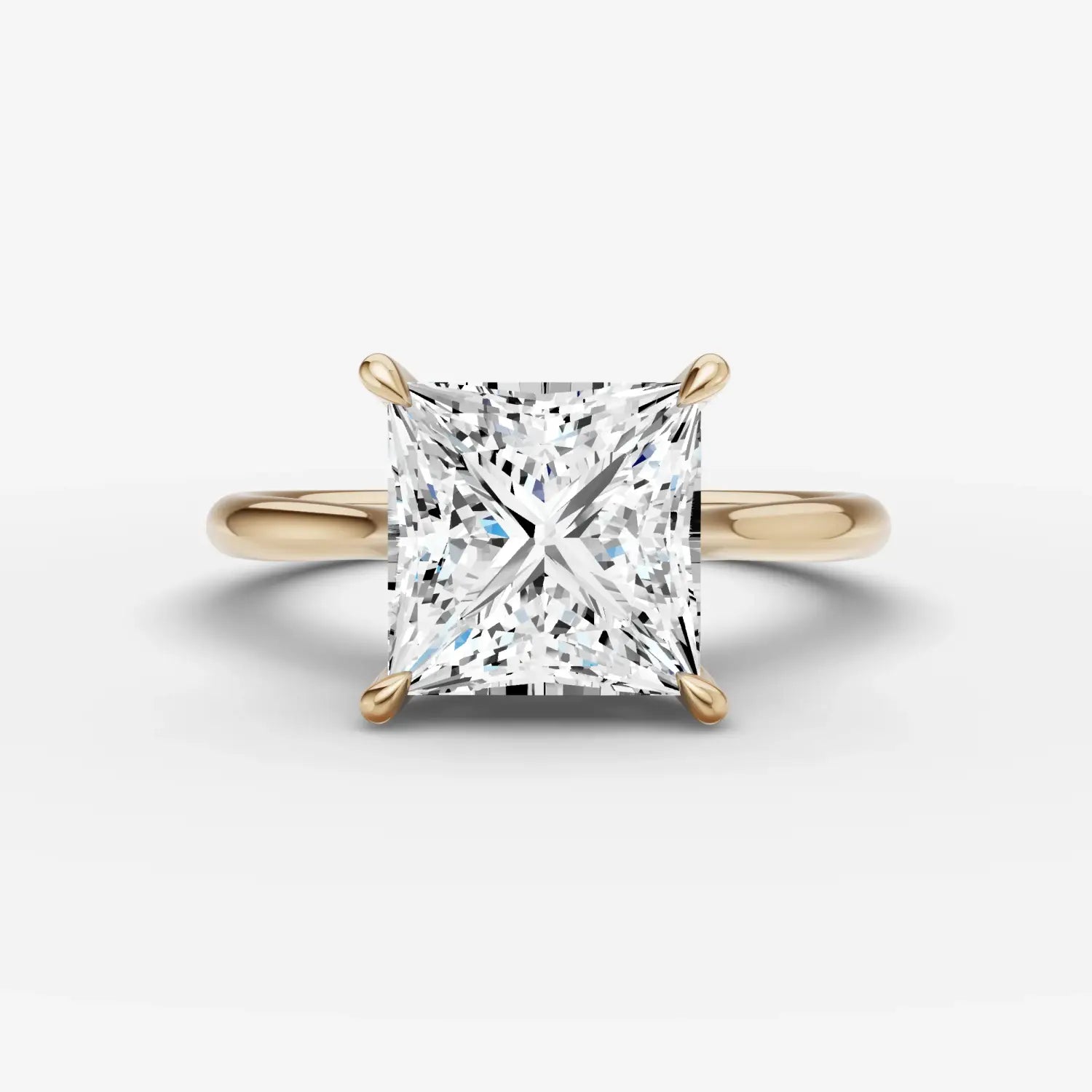
As you contemplate your next diamond purchase, consider what you wish to convey with your choice. If it’s for an engagement or a major milestone, something you want to pass down as an heirloom, natural diamonds are ideally suited to serve as symbols of eternal love and commitment. Our Engagement Rings Collection offers exquisite pieces like the Cathédrale Princess and the Trinité Marquise that embody timeless elegance and lasting value.
Conclusion: The Enduring Value of Natural Diamonds
In conclusion, while lab grown diamonds hold a place in the jewelry landscape, particularly for fashion-forward and casual pieces, natural diamonds continue to stand as unique symbols of wealth, beauty, and permanence. At ArtGold Jewelry, we are more than just purveyors of diamonds; we are storytellers crafting narratives that will endure through the generations. Trust in our expertise to guide you in this pivotal selection process.
Thank you for visiting our blog. Discover more of our expertly crafted jewelry by exploring our collections at ArtGold Jewelry, where tradition and innovation meet.
For further reading, consider An Honest Comparison of Natural and Lab Grown Diamonds for Informed Buyers for a comprehensive look at these gems.
Together, let’s celebrate the brilliance and rarity of natural diamonds—jewels not just for today, but for always.
FAQs
What are natural diamonds?
Natural diamonds are formed over millions of years deep within the Earth's mantle under extreme heat and pressure. They are created from carbon atoms crystallizing in a specific structure, which gives them their enduring beauty and strength.
What are lab-grown diamonds?
Lab-grown diamonds are produced in controlled environments using advanced technology that mimics the natural diamond-forming process. They possess the same physical, chemical, and optical properties as natural diamonds, but are created much more quickly.
How do natural and lab-grown diamonds differ in value?
Natural diamonds typically have a higher market value due to their rarity and the extensive mining process involved in their creation. Lab-grown diamonds tend to be less expensive, reflecting their more abundant supply and the cost-effective processes used to produce them.
Do lab-grown diamonds hold long-term value?
While lab-grown diamonds are beautiful and ethically produced, they may not retain their value in the same way as natural diamonds. Natural diamonds often appreciate over time due to their scarcity, while lab-grown diamonds are usually more subject to fluctuations in market demand.
Are there ethical considerations when choosing between natural and lab-grown diamonds?
Yes, ethical considerations play a significant role in the choice between natural and lab-grown diamonds. Lab-grown diamonds are often viewed as more environmentally friendly and socially responsible since they do not involve mining practices that can cause ecological damage or exploit workers.
How can I determine the quality of a diamond, whether natural or lab-grown?
Both natural and lab-grown diamonds are evaluated based on the four Cs: Carat weight, Cut, Color, and Clarity. Understanding these criteria can help you assess the quality and value of a diamond, regardless of its origin.
Do natural diamonds have resale value?
Natural diamonds generally have a resale value, but the price can vary widely depending on factors such as condition, quality, and market trends. It’s important to research and understand the current market landscape when considering resale.
Can lab-grown diamonds be certified?
Yes, lab-grown diamonds can be certified by reputable grading organizations, similar to natural diamonds. Certification provides assurance of a diamond's quality and characteristics, which can help buyers make informed decisions.
Which type of diamond is a better investment?
Investing in diamonds is subjective and depends on personal preferences and values. Natural diamonds are often seen as a more traditional investment due to their historical value appreciation, while lab-grown diamonds may appeal to those who prioritize ethical sourcing and affordability.


