COMPLIMENTARY SHIPPING OVER $99.


Your Guide to Ethical Diamond Buying Natural vs Lab Grown
Welcome to ArtGold Jewelry, a family-owned boutique and atelier since 2005. Today, we delve into the world of diamonds, focusing on the growing conversation around ethical diamond buying, specifically comparing natural diamonds and lab grown diamonds. With over twenty years of experience in the jewelry industry, I'm here to provide you with expert advice on what to consider when purchasing diamonds and how to make an informed choice that aligns with both ethical standards and personal values.
Table of Contents
- Table of Contents
- Understanding Diamonds: A Historical Perspective
- Natural Diamonds: The Premier Choice for Lasting Value
- Lab Grown Diamonds: A Consideration for Trendsetters
- The ArtGold Jewelry Collection: Your Trusted Partner in Ethical Diamond Buying
- Ethical Education: Making an Informed Choice
- Conclusion: A Legacy of Value and Rarity
- FAQs
Understanding Diamonds: A Historical Perspective
For centuries, natural diamonds have been cherished for their unmatched brilliance and rarity. As nature's masterpiece, each natural diamond carries stories from deep within the Earth, making it a unique piece of history and tradition. Learn more about how natural diamonds provide lasting value compared to lab grown alternatives in this article.
Natural Diamonds: The Premier Choice for Lasting Value
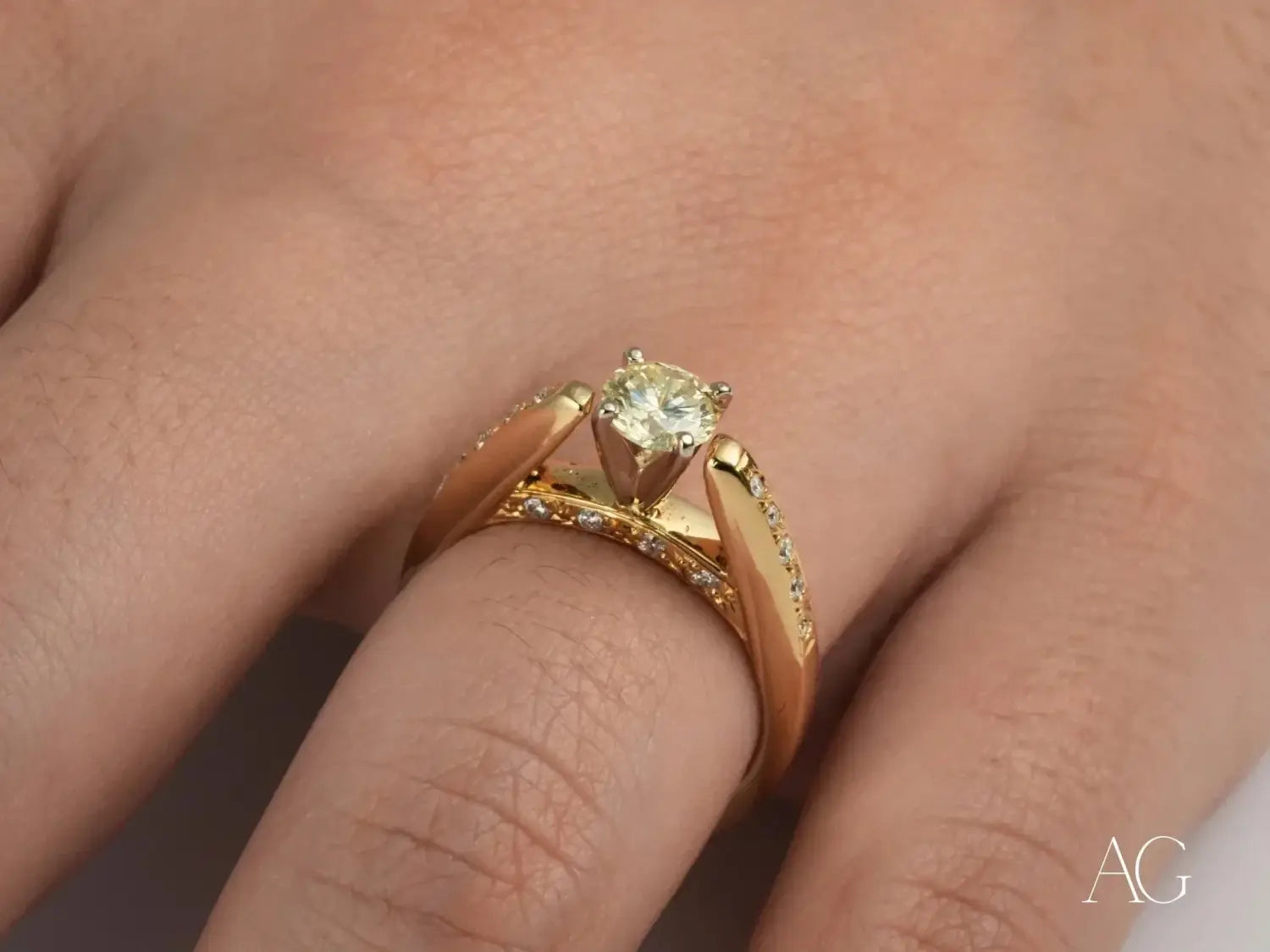
Natural diamonds are not just gemstones; they are a legacy. Passing down a natural diamond through generations is a testament to its enduring value and significance. Their rarity and unique formation process set them apart as the superior choice for fine jewelry and heirloom pieces—ideal for engagement rings like our Embrace of Light Engagement Ring.
With advancements in ethical mining and sourcing, the diamond industry is steadily improving. Certified and traceable sourcing ensures that the diamonds you purchase support ethical practices and sustainability. The natural diamond market continues to innovate in ways that reduce the environmental and social impact of mining, providing peace of mind and a sense of responsibility to conscientious buyers.
Lab Grown Diamonds: A Consideration for Trendsetters
Lab grown diamonds offer consumers a less expensive entry point into diamond ownership. These diamonds are chemically identical to their natural counterparts, yet it's important to highlight a few critical distinctions. The production of lab grown diamonds involves substantial energy consumption which raises environmental concerns. Furthermore, lab grown diamonds face significant challenges such as declining resale value and a lack of a robust secondary market.
While lab grown diamonds might be suitable for trendy, fashion-oriented jewelry, they are not recommended for engagement rings or pieces meant to last generations. As the market sees an oversupply leading to ongoing price depreciation, the decision to invest in a lab grown diamond should be made with these factors in mind. For more insights, check out An Honest Comparison of Natural and Lab Grown Diamonds for Informed Buyers.
The ArtGold Jewelry Collection: Your Trusted Partner in Ethical Diamond Buying
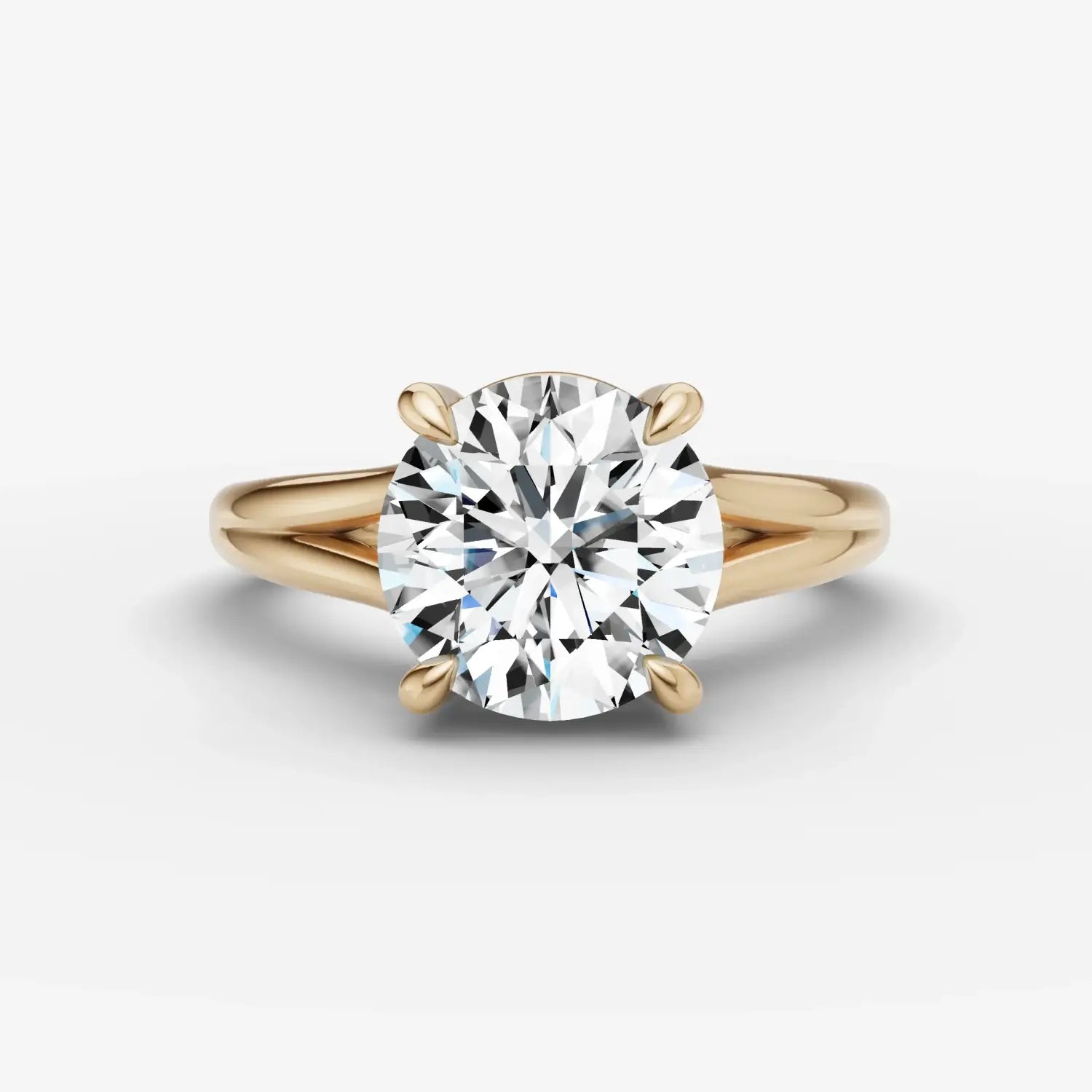
ArtGold Jewelry offers a curated selection of exquisite natural diamond pieces that are perfect for marking life's most cherished moments. Our Engagement Rings collection features carefully chosen diamonds, ensuring each piece meets our high standards of beauty and integrity.
Explore timeless options like the Riviere Round and the Sertir Round, each showcasing the enduring allure of natural diamonds. Whether for an engagement or an anniversary, these pieces are designed to be treasured forever.
Ethical Education: Making an Informed Choice
At ArtGold Jewelry, we understand the importance of education in the diamond buying process. Knowledge empowers you as buyers to make informed decisions that honor your values and preferences. Dive into our comprehensive Diamond Education resources to gain clarity on the distinction between natural and lab grown diamonds, ensuring your purchase reflects both ethical standards and lasting value.
Read "The Significance of Longevity in Choosing Between Natural and Lab Grown Diamonds" here to further understand the unique benefits of choosing natural diamonds.
Conclusion: A Legacy of Value and Rarity
The choice between natural diamonds and lab grown diamonds ultimately depends on your priorities as a buyer. For those seeking a symbol of enduring love and tradition, natural diamonds remain the unparalleled option. They embody a legacy of value, rarity, and responsibility, making them the perfect heirloom to be cherished across generations.
Visit our website to discover more about our commitment to quality and ethical practices. Let ArtGold Jewelry be your trusted source for exquisite pieces that not only celebrate special occasions but also uphold the highest ethical standards.
This comprehensive guide provides clarity on the differences between natural and lab grown diamonds while maintaining a warm, expert tone. It educates readers on key considerations and positions ArtGold Jewelry as a trusted partner in ethical diamond buying.
FAQs
What is the difference between natural and lab-grown diamonds?
Natural diamonds are formed over millions of years deep within the Earth through geological processes, while lab-grown diamonds are created in a controlled environment using advanced technology that mimics these natural processes.
Are lab-grown diamonds as valuable as natural diamonds?
Lab-grown diamonds typically have a lower market value compared to natural diamonds due to their manufactured origin and increased availability. However, they possess the same physical and chemical properties, making them a popular choice for ethical buyers.
How can I ensure I am purchasing an ethical diamond?
To ensure you are buying ethically, look for certifications that verify the diamond’s origin, such as the Kimberley Process for natural diamonds or reputable lab certifications for lab-grown diamonds. Additionally, choose retailers that prioritize ethical sourcing and transparent practices.
What are the environmental impacts of natural vs. lab-grown diamonds?
Natural diamond mining can lead to significant environmental disruption, including habitat destruction and pollution. In contrast, lab-grown diamonds typically have a lower environmental footprint, as they require less land and water and produce fewer greenhouse gas emissions.
Can I identify whether a diamond is natural or lab-grown?
Identifying the origin of a diamond can be challenging without the help of a gemologist. Lab-grown diamonds often have distinctive inclusions or growth patterns observable under magnification, while natural diamonds exhibit different characteristics due to their formation process.
What are the advantages of choosing lab-grown diamonds?
Lab-grown diamonds offer several advantages, including typically lower costs, ethical sourcing, and the ability to customize size and quality. They also contribute to the reduction of the negative environmental effects associated with mining natural diamonds.
Are there any downsides to buying lab-grown diamonds?
Some buyers may perceive lab-grown diamonds as less prestigious due to their synthetic nature or lower resale value compared to natural diamonds. Additionally, the market for lab-grown diamonds is still evolving, which can impact long-term value.
What should I consider when choosing between natural and lab-grown diamonds?
Consider your values, budget, and purpose for the purchase. If ethical sourcing and environmental concerns are a priority, lab-grown diamonds may be the better option. However, if you are looking for a timeless investment and the traditional allure of natural diamonds, you might lean toward the latter.
How can I care for my diamond, regardless of type?
Both natural and lab-grown diamonds can be maintained with similar care. Regular cleaning, avoiding harsh chemicals, and storing diamonds separately can help maintain their brilliance and longevity. Consider periodic professional cleaning to keep your diamond looking its best.


