COMPLIMENTARY SHIPPING OVER $99.


The Significance of Longevity in Choosing Between Natural and Lab Grown Diamonds
In the world of diamonds, selecting the right gem is much more than pinpointing the perfect sparkle for your piece. As someone who has been a family jeweler for over 20 years, I can attest that understanding the lasting impact of your choice is essential. At ArtGold Jewelry, a trusted family-owned boutique and atelier since 2005, we often guide our clients in making informed decisions about whether to invest in natural diamonds or opt for lab grown alternatives. Let's dive into the significance of longevity when choosing between these two options.
Table of Contents
- Table of Contents
- An Overview: Natural vs. Lab Grown Diamonds
- The Rarity and Value of Natural Diamonds
- Longevity and Resale Value
- The Energy Cost of Lab Grown Diamonds
- Fashion vs. Family Heirlooms
- Curated Choices at ArtGold Jewelry
- Conclusion
- FAQs
An Overview: Natural vs. Lab Grown Diamonds
Both natural diamonds and lab grown diamonds offer distinct benefits and drawbacks. While chemically identical, the context in which they are created and their journey to your jewelry box differ significantly. Natural diamonds have formed over billions of years deep within the Earth's crust, which adds to their mystique and charm. Conversely, lab grown diamonds are created in a matter of weeks in a controlled environment. It's essential to approach this decision with a thorough understanding of both options.
For a detailed deep-dive into the differences, An Honest Comparison of Natural and Lab Grown Diamonds for Informed Buyers provides excellent insights.
The Rarity and Value of Natural Diamonds
Natural diamonds retain an intrinsic rarity and value that lab grown stones cannot match. Their formation over millennia imbues each stone with unique characteristics and a historical significance that can't be duplicated. This exclusivity contributes to the diamond's value over time, making them an ideal choice for engagement rings and heirloom pieces meant to be cherished for generations.
Additionally, the diamond industry has made strides in ethical mining practices, with more traceable sourcing and certification processes. At ArtGold Jewelry, our focus on ethical diamonds means we take great care to provide certified, responsibly sourced natural gems.
Longevity and Resale Value
When considering longevity, it's important to think about resale and sentimental value. As the market currently stands, natural diamonds uphold their worth much better because of their rarity and ongoing demand. Lab grown diamonds, however, are seeing a declining resale value due to overproduction and lack of a robust secondary market.
For those considering the financial aspect, How Natural Diamonds Provide Lasting Value Compared to Lab Grown Alternatives is a must-read.
The Energy Cost of Lab Grown Diamonds
While marketed as a more environmentally friendly option, lab grown diamonds require substantial energy for production. Depending on the production method, the energy consumption can be high, which often defeats the purpose for eco-conscious buyers. It's an important factor to weigh when understanding the broader environmental impact of your purchase.
Fashion vs. Family Heirlooms
Lab grown diamonds can be a fantastic choice for those seeking trendy or fashion jewelry. They offer the same brilliance of natural diamonds but at a lower price point, making them ideal for pieces that might have a shorter lifespan or reflect the latest fashion trends.
However, when considering a piece intended to last generations, like an engagement ring, natural diamonds remain the preferred choice. They symbolize a legacy and an enduring love that one can pass down through generations. For a deep dive into why natural diamonds make the superior choice for legacy items, consult Building a Legacy: What Makes Natural Diamonds the Superior Choice.
Curated Choices at ArtGold Jewelry
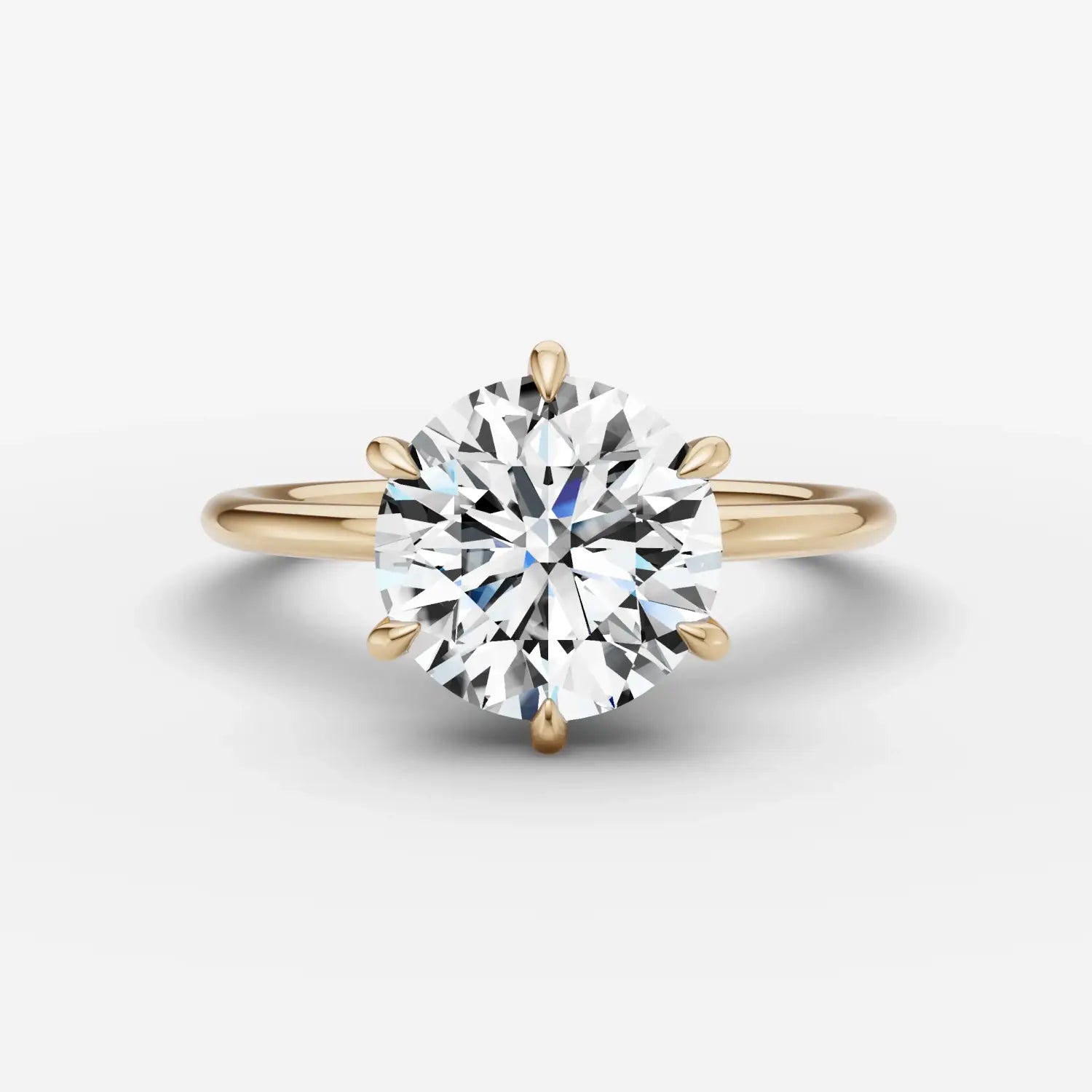
At ArtGold Jewelry, we offer a stunning range of natural diamond engagement rings, perfect for those looking to mark life's most significant milestones. Consider the timeless Solène Round or the uniquely shaped Aurore Marquise from our Engagement Rings Collection.
Conclusion
In the grand tapestry of life, the significance of longevity in jewelry cannot be understated. Natural diamonds offer an unparalleled blend of historical value, rarity, and ethical sourcing, making them the ultimate choice for those looking to create pieces that will stand the test of time. While lab grown diamonds serve their purpose in more fashion-forward applications, when it comes to choosing a piece designed to last, natural diamonds remain the superior option.
Trust ArtGold Jewelry to help guide you through this journey. Whether it's through our carefully curated collections or a personalized consultation, we're here to ensure your diamond choice is one that reflects both your values and deepest desires. For more insights and to explore our offerings, visit ArtGold Jewelry.
FAQs
Why is longevity important when choosing between natural and lab-grown diamonds?
Longevity is crucial in the decision-making process because it influences the lasting value and emotional significance of your diamond. Natural diamonds are often seen as symbols of permanence, whereas lab-grown diamonds, while chemically identical, may not have the same historical or sentimental weight.
What are the key differences in longevity between natural and lab-grown diamonds?
Natural diamonds can last for billions of years, as they are formed deep within the Earth over a long period. Lab-grown diamonds typically have the same physical and chemical properties but are created in a matter of weeks, which may lead some to perceive them as less timeless.
Do lab-grown diamonds hold their value over time?
While lab-grown diamonds are often less expensive initially, they may depreciate more quickly than natural diamonds. Their value can fluctuate based on market demand and perceptions, making their long-term investment potential less certain.
How do natural diamonds fare in terms of resale value compared to lab-grown diamonds?
Natural diamonds generally hold their resale value better due to their rarity and historical significance. In contrast, lab-grown diamonds may not have the same market demand, leading to potentially lower resale values.
Can the longevity of a diamond affect its emotional significance?
Yes, many people associate natural diamonds with history, tradition, and enduring love. Although lab-grown diamonds can be beautiful and meaningful, their shorter creation timeline may impact how some individuals perceive their emotional significance.
What should I consider about longevity when choosing a diamond for an engagement ring?
Beyond the aesthetics, consider how you envision your diamond's legacy. If you want a piece that embodies tradition and lasting value, a natural diamond may resonate more with you. If you prefer ethical sourcing and environmental considerations, a lab-grown diamond might be the right fit.
Are there any long-term care differences between natural and lab-grown diamonds?
Both types of diamonds require similar care in terms of cleaning and maintenance. However, the perception of care may differ; many people invest more time in preserving natural diamonds due to their perceived value and uniqueness.
What do consumers typically prefer when it comes to longevity and diamond choice?
Consumer preferences vary widely. Some prioritize the environmental and ethical benefits of lab-grown diamonds, while others lean towards the traditional aspects and perceived long-lasting value of natural diamonds.
How does the crafting process impact the overall longevity of diamonds?
The crafting process does not significantly affect the physical longevity of either type of diamond since both are composed of carbon arranged in a crystal structure. However, the story and origin associated with each type can influence how individuals value them over time.


