COMPLIMENTARY SHIPPING OVER $99.


An Honest Comparison of Natural and Lab Grown Diamonds for Informed Buyers
Welcome to ArtGold Jewelry, your trusted family-owned boutique and atelier since 2005, where our passion for fine jewelry is matched only by our commitment to educating our clients. Today, let's explore an honest comparison between natural and lab grown diamonds, equipped with insights from over two decades of experience in the world of fine jewelry. This diamond buying guide is designed to aid you in making an informed choice that aligns with your needs and values.
Table of Contents
- Table of Contents
- Natural Diamonds: A Legacy of Rarity and Lasting Value
- Lab Grown Diamonds: A Modern Trend
- Making an Informed Decision
- Conclusion
- FAQs
Natural Diamonds: A Legacy of Rarity and Lasting Value
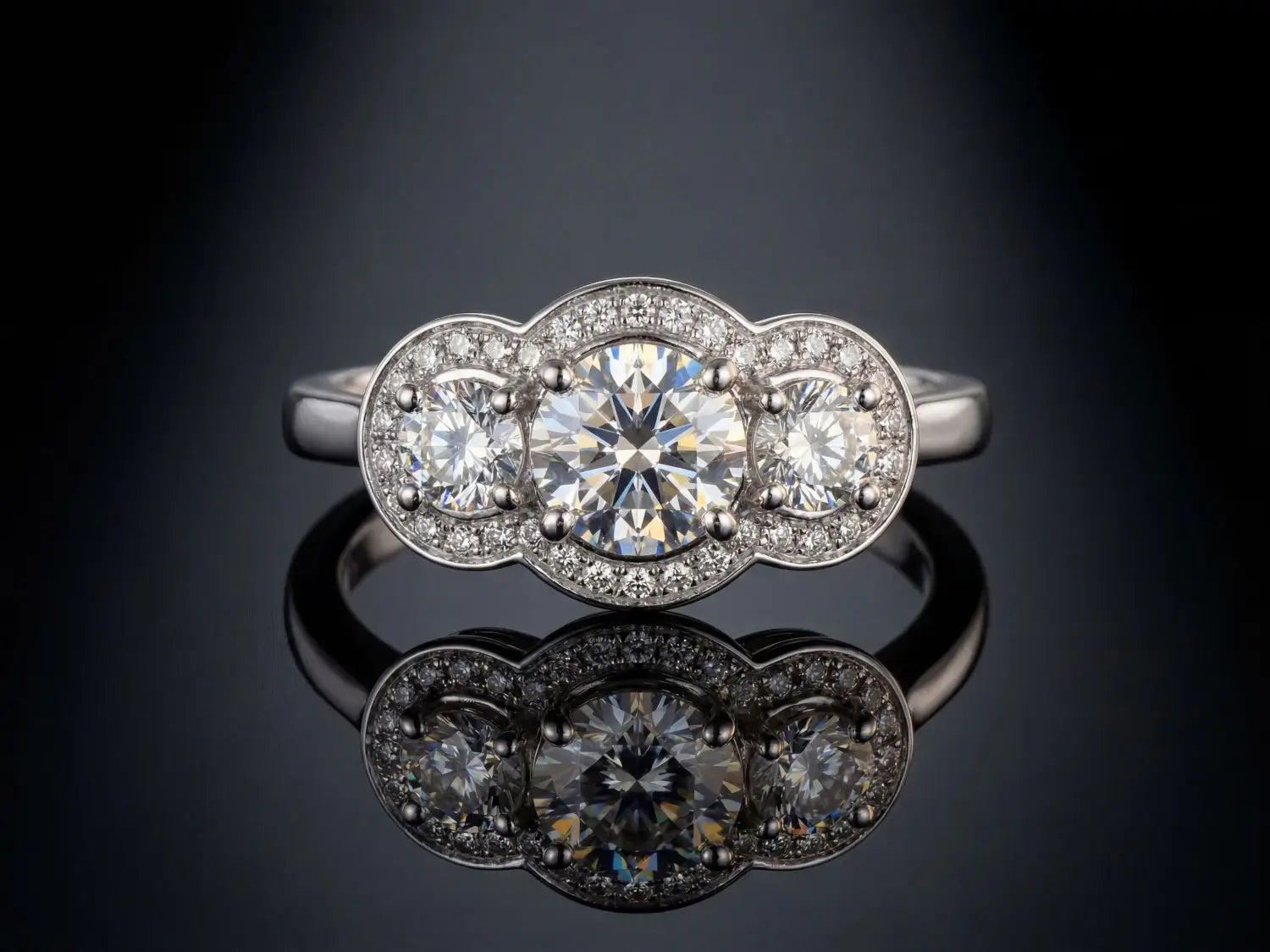
Natural diamonds have captivated human hearts for centuries, symbolizing an enduring value and rarity that few other gemstones can match. Their natural formation process, which spans millions of years, contributes to their allure and desirability. For those considering an investment in fine jewelry, natural diamonds offer a timeless beauty that defies trends and retains its value over time.
Natural diamonds are not only admirable for their physical beauty but also for their significance in heirloom pieces. At ArtGold Jewelry, we believe that fine jewelry should be a legacy, something passed down from generation to generation. Pieces like the 18K White Gold Engagement Ring and our exquisite Solène Princess capture this sentiment perfectly, enhancing their beauty with the personal stories they carry.
While it's true that natural diamond mining has faced ethical challenges, the industry has made admirable strides in promoting traceable sourcing and certification. Our commitment is to ensure that the natural diamonds we offer are responsibly sourced, so you can wear them with pride and confidence. For deeper insights, read our article on Building a Legacy: What Makes Natural Diamonds the Superior Choice.
Lab Grown Diamonds: A Modern Trend
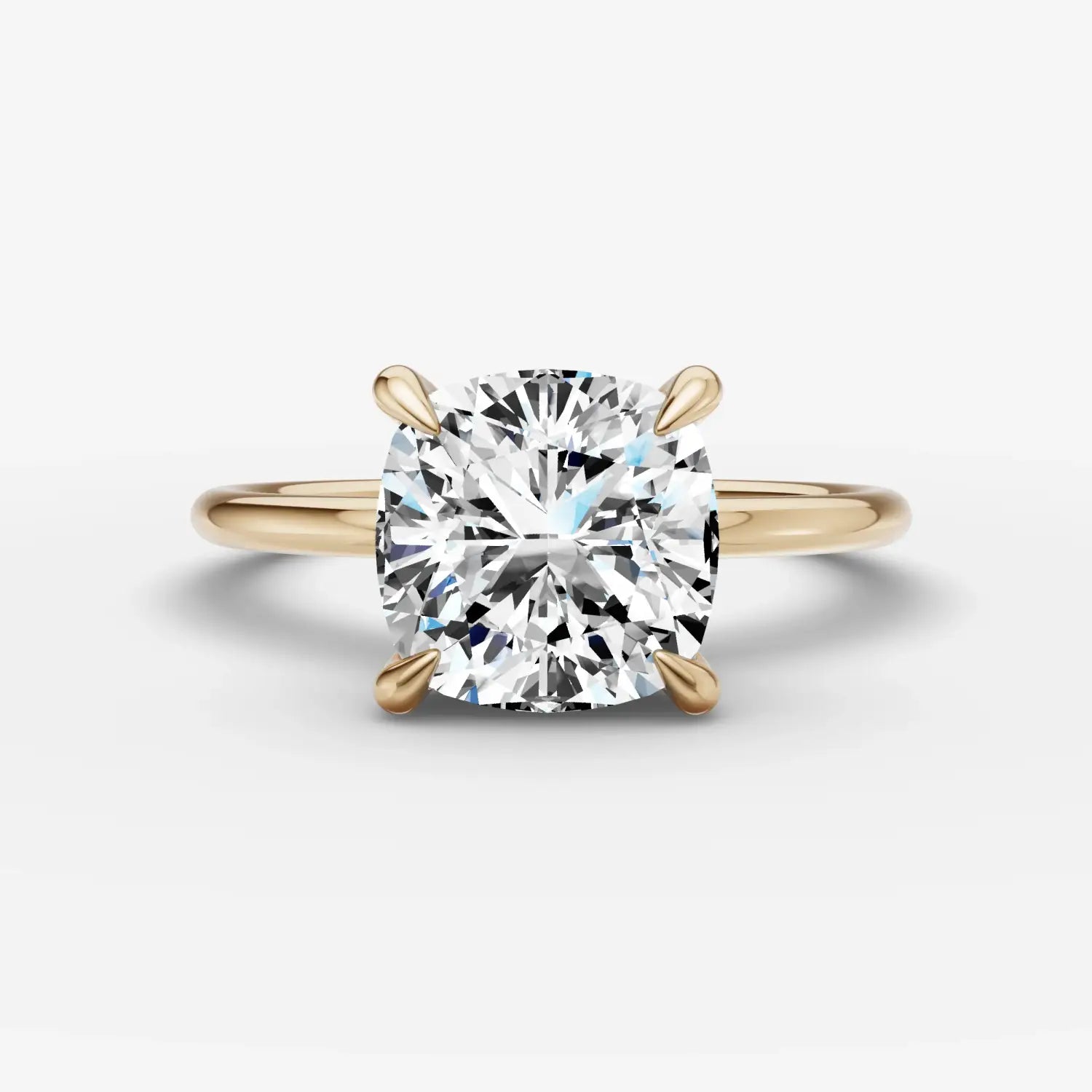
Lab grown diamonds have gained popularity as a more readily available alternative. Manufactured using technology that replicates the natural processes, lab grown diamonds possess the same chemical and physical properties as natural ones. It is essential to acknowledge their visual and material similarities, especially for fashion jewelry enthusiasts or those seeking trendy alternatives.
However, potential buyers should be aware of the drawbacks. One significant concern is the high energy consumption in their production. While lab grown diamonds initially entered the market positioned as the ethical choice, this energy-intensive process can offset their claimed environmental benefits.
Moreover, lab grown diamonds face challenges in the resale market. Unlike natural diamonds, they continually experience price depreciation due to oversupply. There is also currently no robust secondary market for lab grown diamonds, meaning their resale value does not hold. This makes them a less ideal option for investment-grade jewelry, such as engagement rings.
For fashionable pieces that may not require the timeless commitment of an engagement ring, lab grown options can still be appropriate. Our Mystère Cushion and Aurore Marquise cater to those looking for trendy pieces with modern appeal.
Making an Informed Decision
As you embark on the journey of selecting the perfect diamond, it's crucial to consider your long-term expectations and the significance you wish to attach to your jewelry. For pieces meant to last a lifetime, such as engagements or family heirlooms, natural diamonds remain the preferred choice, given their track record of retaining both their financial and sentimental value.
If you're intrigued by the appeal of lab grown diamonds, especially for contemporary trends or cost-sensitive purchases, it’s essential to understand the full context provided in articles like Uncover the Real Value of Natural Diamonds in Comparison with Lab Grown to be fully aware of the advantages and disadvantages.
For those leaning towards the enduring elegance of natural diamonds, our Engagement Rings collection offers an unmatched selection. Learn how Natural Diamonds Provide Lasting Value Compared to Lab Grown Alternatives to further aid your decision.
Conclusion
Whether you choose a natural diamond for its unrivaled legacy and value or a lab grown diamond for its trendy appeal, trust that ArtGold Jewelry is here to guide you every step of the way. With our years of expertise, we're committed to delivering not only exquisite jewelry but also invaluable diamond education. Visit us at ArtGold Jewelry for more guidance and to explore our stunning collections.
Let your journey towards finding the perfect diamond be informed and rewarding, creating not just a piece of jewelry but a legacy that will endure through time.
FAQs
What are natural diamonds?
Natural diamonds are formed over millions of years deep within the Earth's mantle through intense heat and pressure. They are mined from the ground and are considered a geological miracle, each unique due to the natural processes involved in their formation.
What are lab-grown diamonds?
Lab-grown diamonds, also known as synthetic or cultured diamonds, are created in controlled environments using advanced technology that replicates the natural diamond-growing process. These diamonds have the same physical and chemical properties as natural diamonds.
Are lab-grown diamonds less valuable than natural diamonds?
Typically, lab-grown diamonds are priced lower than natural diamonds because of the relatively lower costs of production and their growing supply. However, value can be subjective and depends on factors like market demand and individual preferences.
Can you tell the difference between natural and lab-grown diamonds?
To the untrained eye, natural and lab-grown diamonds can appear identical. However, gemologists use specialized equipment to identify slight differences in their internal structures, allowing them to distinguish between the two.
Do lab-grown diamonds hold their value over time?
Generally, lab-grown diamonds tend to depreciate faster than natural diamonds since they are readily available and can be produced on demand. Natural diamonds, on the other hand, may hold or even increase in value due to their rarity.
Are lab-grown diamonds ethically sourced?
Lab-grown diamonds are considered more ethically sourced than natural diamonds, as their production does not involve mining operations that can cause environmental destruction or human rights abuses.
How do the environmental impacts compare between natural and lab-grown diamonds?
Natural diamond mining can have significant environmental impacts, including habitat destruction and carbon emissions. In contrast, lab-grown diamonds usually have a smaller environmental footprint, although the energy used in their production can vary depending on the methods employed.
Do both types of diamonds come with certifications?
Yes, both natural and lab-grown diamonds can be certified by reputable gemological laboratories. These certifications provide information about the diamond's quality, characteristics, and authenticity, which can help buyers make informed decisions.
Which option is better for engagement rings?
The choice between natural and lab-grown diamonds for engagement rings ultimately depends on personal preference, values, and budget. Some buyers may prioritize the traditional aspect of a natural diamond, while others may prefer the ethical and cost-effective appeal of a lab-grown diamond.


