COMPLIMENTARY SHIPPING OVER $99.


What Sets Natural Diamonds Apart from Lab Grown Varieties
When it comes to selecting a diamond, be it for a significant life event or an exquisite piece of fine jewelry, the choice between natural diamonds and lab grown diamonds often arises. As a family jeweler proudly serving our community since 2005, we at ArtGold Jewelry aim to offer you honest and transparent advice in your diamond buying journey. Here, we will delve into what sets natural diamonds apart from their lab grown counterparts.
Table of Contents
- Table of Contents
- The Appeal of Natural Diamonds
- Lab Grown Diamonds: A Modern Option
- Ethical Considerations
- Ensuring Lasting Value and Significance
- Conclusion
- FAQs
The Appeal of Natural Diamonds
Natural diamonds have long been coveted for their unique origin story and the incredible journey they undertake from deep within the Earth to the refined elegance of an engagement ring. Each natural diamond reflects a harmonious blend of geological wonder and the expert touch of skilled craftsmen, resulting in an unparalleled symbol of love and commitment.
Natural diamonds like those found in our Engagement Rings Collection are not only beautiful but also represent an investment in lasting value. Because they are rare and formed over millions of years, they tend to appreciate in value over time, making them a prudent choice for those wanting a timeless heirloom.
Lab Grown Diamonds: A Modern Option
Lab grown diamonds deserve a respectful mention. They share the same chemical composition as natural diamonds and are crafted with precision in controlled environments. For those interested in stylish and affordable jewelry options, lab grown diamonds can be an acceptable choice for fashion jewelry.
However, it’s essential to highlight some notable drawbacks when considering lab grown diamonds. First, their production involves significant energy consumption, which can diminish their appeal from an eco-friendly perspective. Additionally, they tend to struggle with declining resale value and price depreciation caused by oversupply in the market. There is currently no established secondary market for these gems, potentially impacting their long-term value.
Ethical Considerations
Another layer to consider in your diamond decision-making process is the ethical implications. Natural diamond mining has historically faced scrutiny regarding ethical concerns. However, the industry has seen noteworthy improvements, with more stringent practices around ethical sourcing and increased efforts for traceable certification. For those looking to understand the ethical dimensions in more detail, we recommend reading our article on The Ethical Dimensions of Choosing Between Lab Grown and Natural Diamonds.
Ensuring Lasting Value and Significance
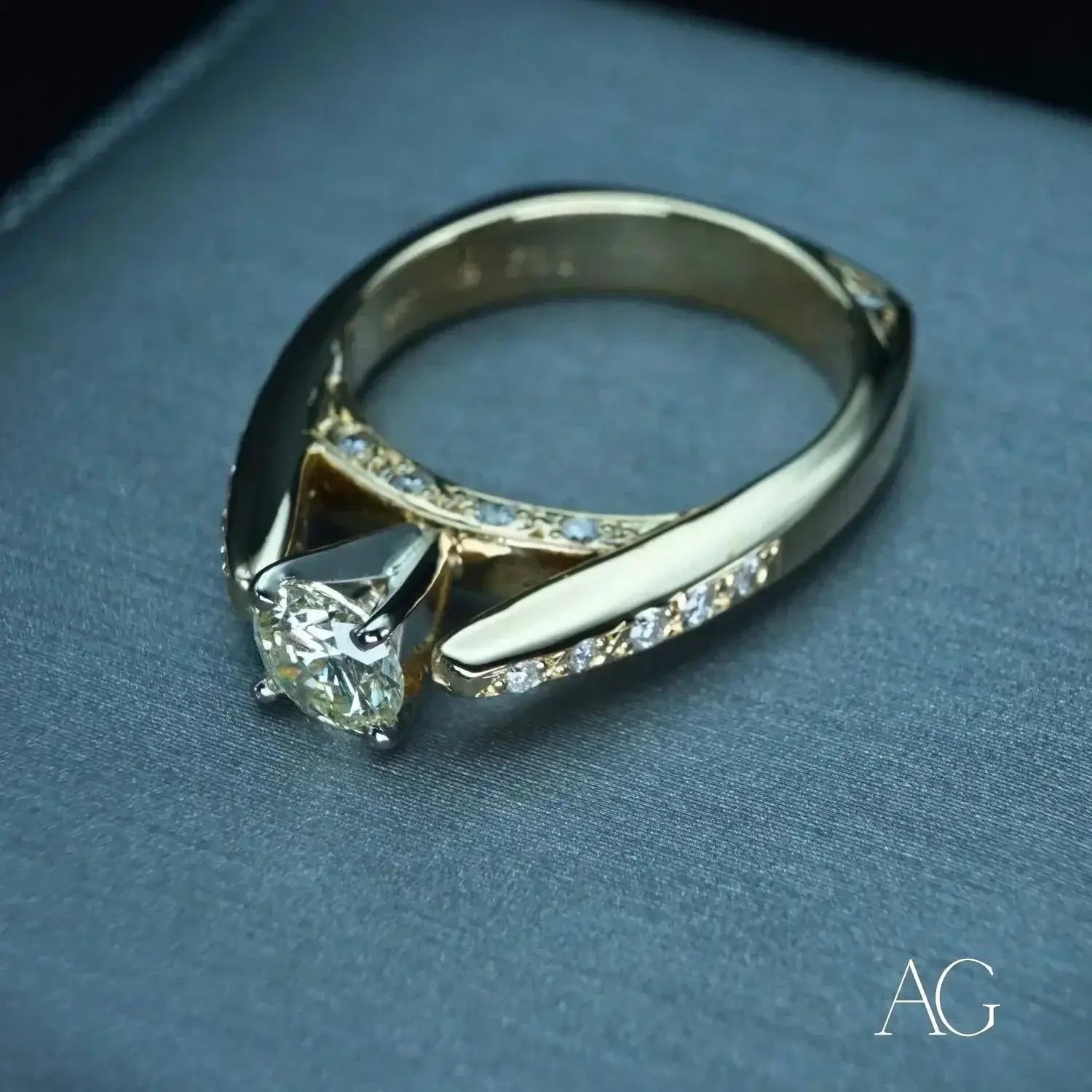
Whether you’re considering an engagement ring for your partner or a valuable addition to your personal collection, understanding the long-term significance of your choice is crucial. Natural diamonds have a storied legacy, retaining their value due to their rarity and desirability.
For instance, our Eternal Love Diamond Engagement Ring in 18K Gold embodies the elegance and enduring charm that only natural diamonds can provide. Similarly, the Yellow Diamond Engagement Ring With Double Halo in 18K White Gold showcases the distinctive beauty that makes natural diamonds so highly sought after.
Conclusion
In the ongoing conversation around diamonds, the key distinctions between natural and lab grown diamonds become evident. While lab grown diamonds offer an affordable and trendy option, they fall short when it comes to long-term value and significance. For pieces meant to last generations, such as engagement rings, natural diamonds remain the superior choice.
We invite you to explore our thoughtful selection at ArtGold Jewelry and read more from our Comprehensive Guide to Diamond Buying: Prioritizing Natural Diamonds to make an informed decision that aligns with your values and expectations. Trust in our expertise, built over decades, to guide you in choosing a gem that truly stands the test of time.
FAQs
What are the main differences between natural diamonds and lab-grown diamonds?
Natural diamonds are formed over millions of years deep within the Earth's mantle through natural geological processes, while lab-grown diamonds are created in controlled environments using advanced technology that simulates these natural processes.
Are lab-grown diamonds real diamonds?
Yes, lab-grown diamonds are considered real diamonds. They have the same physical, chemical, and optical properties as natural diamonds and are graded using the same standards.
How can I tell if a diamond is natural or lab-grown?
A gemologist can determine the origin of a diamond using specialized equipment that detects subtle differences in inclusions and growth patterns. However, without such tools, it can be difficult for the average person to differentiate between the two.
Do natural diamonds hold value better than lab-grown diamonds?
Typically, natural diamonds tend to retain their value better than lab-grown diamonds. The supply of lab-grown diamonds is increasing, which may affect their resale value in the long term.
Which type of diamond is more environmentally friendly?
Lab-grown diamonds generally have a lower environmental impact compared to natural diamonds. The process of mining natural diamonds can lead to habitat destruction and other ecological concerns, while lab-grown diamonds are produced in a controlled setting.
Are there ethical considerations associated with natural diamonds?
Yes, natural diamonds can be linked to ethical concerns such as conflict diamonds, which are mined in war zones and sold to finance armed conflict. However, many reputable jewelers now offer conflict-free diamonds, which are sourced from responsible mines.
Do lab-grown diamonds have the same durability as natural diamonds?
Yes, lab-grown diamonds have the same hardness and durability as natural diamonds, scoring a 10 on the Mohs scale of mineral hardness. This means they are equally resistant to scratches and everyday wear.
What are the price differences between natural and lab-grown diamonds?
Lab-grown diamonds tend to be more affordable than natural diamonds, often costing 20-40% less for a comparable size and quality. This makes them an attractive option for budget-conscious buyers.
Can lab-grown diamonds be passed down through generations like natural diamonds?
While lab-grown diamonds can certainly be passed down, many people associate natural diamonds with heritage and tradition, which can enhance their sentimental value. However, the lasting significance of a diamond often depends more on the story and meaning attached to it than its origin.


