COMPLIMENTARY SHIPPING OVER $99.


The Ethical Dimensions of Choosing Between Lab Grown and Natural Diamonds
In the realm of fine jewelry, few things captivate the imagination like the sparkle of a beautiful diamond. Whether it’s the promise of an engagement ring or an heirloom meant to pass through generations, every diamond tells a story. As a family-owned boutique and atelier, ArtGold Jewelry has been part of many such stories since 2005. With over two decades of experience helping customers find the perfect gemstone, we believe it’s crucial to explore both the ethical dimensions and value proposition of lab grown diamonds as compared to their natural counterparts.
Table of Contents
- Table of Contents
- Understanding the Differences
- Natural Diamonds: The Timeless Choice
- The Realities of Lab Grown Diamonds
- Navigating Your Diamond Education Experience
- Concluding Thoughts
- FAQs
Understanding the Differences
Both lab grown diamonds and natural diamonds share identical chemical compositions, making them indistinguishable to the naked eye. As we delve into the intrinsic and ethical components of diamond selection, it's imperative to acknowledge this similarity. However, the paths these diamonds take from formation to finger couldn’t be more different.
Natural Diamonds: The Timeless Choice
Natural diamonds boast a deep connection to the Earth, formed over billions of years under immense pressures and temperatures. These gems are eternal symbols of enduring love and rarity. While it's true that the mining of natural diamonds has raised ethical concerns in the past, the industry has made significant strides to improve. With better traceable sourcing and certification standards, you can now purchase ethically sourced diamonds, contributing to positive economic growth in mining communities.
When you purchase an Aurore Étoile Oval or a Petite Étoile Marquise from ArtGold Jewelry's engagement ring collection, you're not only investing in a piece of jewelry but also in a piece that carries lasting value and heritage. Natural diamonds retain their worth over time, making them excellent choices for family heirlooms and significant occasions.
The Realities of Lab Grown Diamonds
Lab grown diamonds, produced in controlled lab environments, offer a more affordable entry point into the diamond world. They strike a chord with customers interested in trendy or fashion jewelry. Yet, this affordability comes with considerations such as high energy consumption for production, contributing to environmental concerns. Furthermore, the value of lab grown diamonds tends to depreciate over time. Currently, the oversupply in the market means little to no secondary market for resale, unlike their natural counterparts.
However, for those keen on budget-friendly options without compromising the brilliance typical of diamonds, lab grown diamonds present a viable option for less momentous jewelry choices—though perhaps not ideal for a lasting commitment like an engagement ring.
For a deeper insight, take a look at our article on Evaluating the Affordability of Lab Grown Diamonds Without Compromising on Natural Quality.
Navigating Your Diamond Education Experience
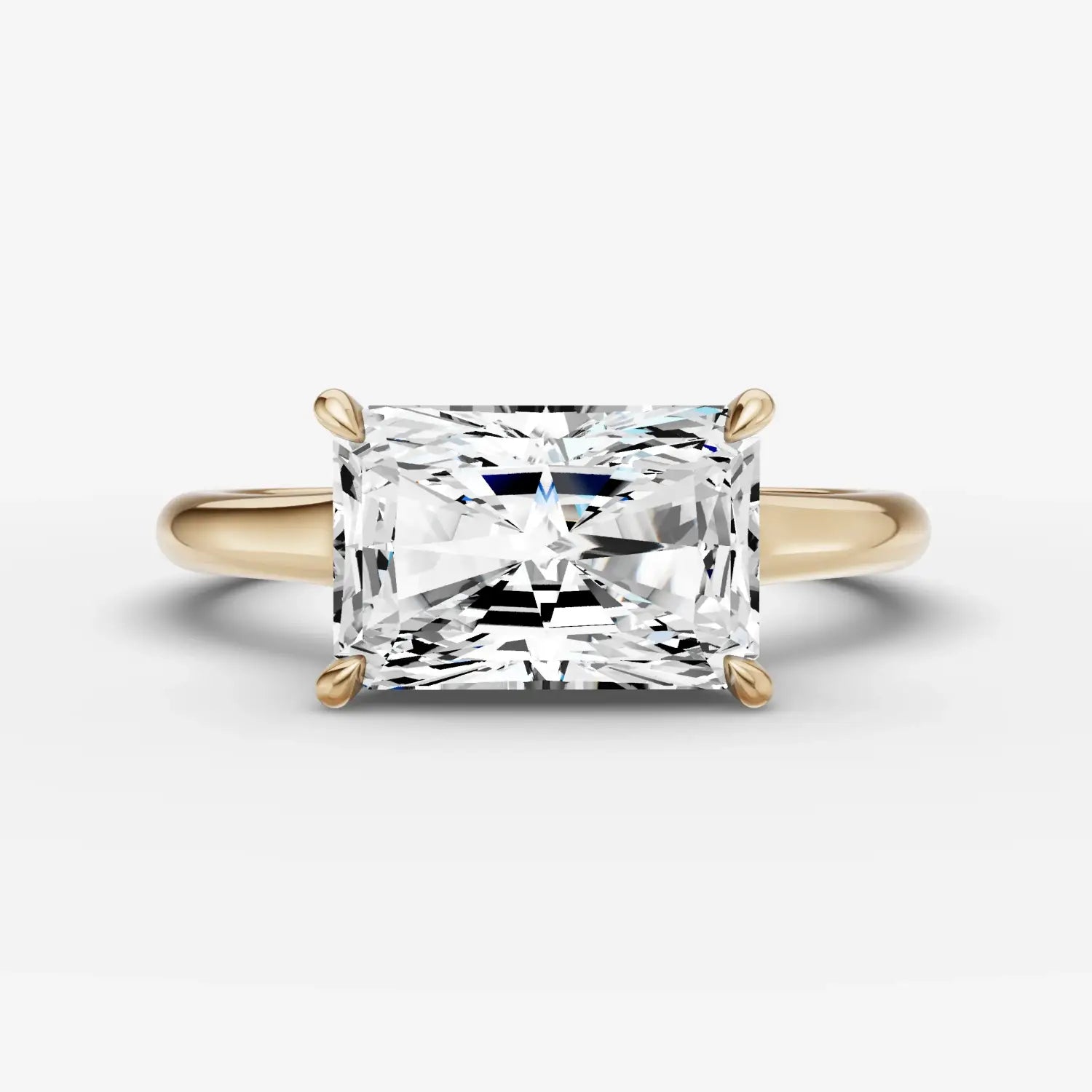
Choosing between lab grown and natural diamonds is a personal and financial decision that requires understanding and care. For this reason, our Diamond Education guide at ArtGold Jewelry aims to provide you with comprehensive knowledge to make a choice you’ll cherish eternally.
Our commitment is to honesty and transparency, offering you jewels that speak to both your style and conscience. Pieces like the Horizon Radiant and Solène Pear in our collection are perfect examples of how elegance meets ethical transparency.
Concluding Thoughts
As we explore the diamond market together, it is clear that natural diamonds remain the superior choice for their enduring significance, rarity, and investment potential. They tell real stories—a testament to natural beauty, labor, and care.
For further reflection on the timeless appeal of natural diamonds, even in the face of lab grown developments, read more in our piece Exploring the Timeless Appeal of Natural Diamonds in the Face of Lab Grown Developments.
At ArtGold Jewelry, we are here to assist you in making informed decisions, ensuring you select a centerpiece fitting for a lifetime of memories. Let us guide you to the ethical, exquisite choice that natural diamonds have to offer.
FAQs
What are lab-grown diamonds?
Lab-grown diamonds are stones that are created in controlled environments using advanced technological processes that replicate the natural diamond formation. These diamonds have the same physical, chemical, and optical properties as natural diamonds, making them an appealing alternative.
How do natural diamonds differ from lab-grown diamonds?
Natural diamonds are formed over millions of years under the Earth’s crust, while lab-grown diamonds are produced in a matter of weeks or months. The main difference lies in their origins—one is a product of nature, while the other is manufactured.
Are lab-grown diamonds more environmentally friendly than natural diamonds?
Yes, lab-grown diamonds generally have a smaller environmental footprint. Their creation requires less land disturbance and water than traditional mining operations, which can lead to significant ecological damage.
Do lab-grown diamonds hold their value the same way as natural diamonds?
Lab-grown diamonds typically do not retain their value as well as natural diamonds. This is partly due to their abundance, as they can be produced on demand, unlike natural diamonds, which are finite treasures.
What ethical considerations come into play when choosing a natural diamond?
Natural diamonds may be associated with conflict or "blood" diamonds, which are mined in war zones and sold to finance armed conflict. Consumers concerned about ethics should seek diamonds that are certified as conflict-free or sourced from reputable dealers who prioritize responsible mining practices.
How can I ensure that my diamond purchase aligns with my values?
Research the sourcing practices of the jeweler or brand you are considering. Look for certifications such as the Kimberley Process for natural diamonds or lab-grown diamond certifications from reputable organizations.
Are there price differences between lab-grown and natural diamonds?
Typically, lab-grown diamonds are less expensive than natural diamonds, often costing 20% to 40% less for similar size and quality. However, prices can vary based on market demand and other factors.
Can lab-grown diamonds be considered a sustainable option?
Yes, many view lab-grown diamonds as a more sustainable option. Their production is more energy-efficient, and they do not contribute to the social issues associated with some mining practices.
What is the consumer perception of lab-grown versus natural diamonds?
Consumer perceptions are shifting, with many people appreciating lab-grown diamonds for their ethical benefits and affordability. However, some still prefer natural diamonds due to their unique history and perceived value.


