COMPLIMENTARY SHIPPING OVER $99.


The Pros and Cons of Lab Grown and Natural Diamonds in Modern Jewelry
Choosing the perfect diamond for your fine jewelry, especially for investment-worthy pieces like engagement rings, can be a deeply personal journey steeped in tradition, symbolism, and emotion. With over two decades of experience as a family jeweler, I understand the significance of finding the right diamond to capture life's most cherished moments. As the jewelry industry evolves, you might encounter the terms "lab grown diamonds" and "natural diamonds." Both types of diamonds are chemically identical. However, they come with strikingly different stories, values, and roles in modern jewelry. Let's explore the pros and cons of each, to help guide your decision.
Table of Contents
- Table of Contents
- Understanding Lab Grown Diamonds
- The Pros
- The Cons
- Embracing Natural Diamonds
- The Pros
- The Cons
- Ethical Concerns: While improvements have been made, there remain challenges in ensuring all natural diamonds are mined ethically. Industry efforts continue to address these issues through more transparent practices.
- Making an Informed Decision
- FAQs
Understanding Lab Grown Diamonds
Lab grown diamonds are a relatively recent addition to the jewelry world, created in high-tech facilities using high-pressure, high-temperature methods. These diamonds are virtually indistinguishable from their natural counterparts in terms of chemical composition and physical appearance, but they are more abundant and typically come at a lower cost.
The Pros
- Cost-Effective: Lab grown diamonds are generally more affordable than natural diamonds due to their abundant supply.
- Ethical Production: For those concerned about the ethical implications of diamond mining, lab grown diamonds offer an alternative that avoids the challenges traditionally associated with mining.
- Environmentally Conscious Image: They present themselves as a more eco-friendly option because they do not require the large-scale environmental disruption involved in mining.
The Cons
- High Energy Consumption: Creating lab grown diamonds requires significant amounts of energy, which can offset their touted ecological benefits.
- Declining Resale Value: Lab grown diamonds are subject to substantial depreciation. They lack a secondary market and hold lower perceived value as long-term investments.
- Oversupply Implications: There's ongoing price depreciation due to their increasing oversupply in the market.
While these diamonds are suitable for trendy or fashion jewelry, they may not be the best choice for pieces meant to last generations, such as engagement rings.
Embracing Natural Diamonds
Natural diamonds, formed over billions of years under Earth's intense pressure, carry a history and rarity that lab grown diamonds simply cannot match. They are a testament to Earth's natural beauty, making them ideal for heirlooms and engagement rings that are intended to last generations.
The Pros
- Intrinsic Value: The rarity of natural diamonds contributes to their enduring value and allure. They have a well-established secondary market and maintain their worth over time.
- Heirloom Quality: A natural diamond engagement ring is not just a piece of jewelry; it's an investment in a future family heirloom, meant to be cherished by generations to come.
- Industry Improvements: The diamond industry has made significant strides in ethical sourcing and certification, ensuring that your diamond is traceable and responsibly mined.
The Cons
Ethical Concerns: While improvements have been made, there remain challenges in ensuring all natural diamonds are mined ethically. Industry efforts continue to address these issues through more transparent practices.
Making an Informed Decision
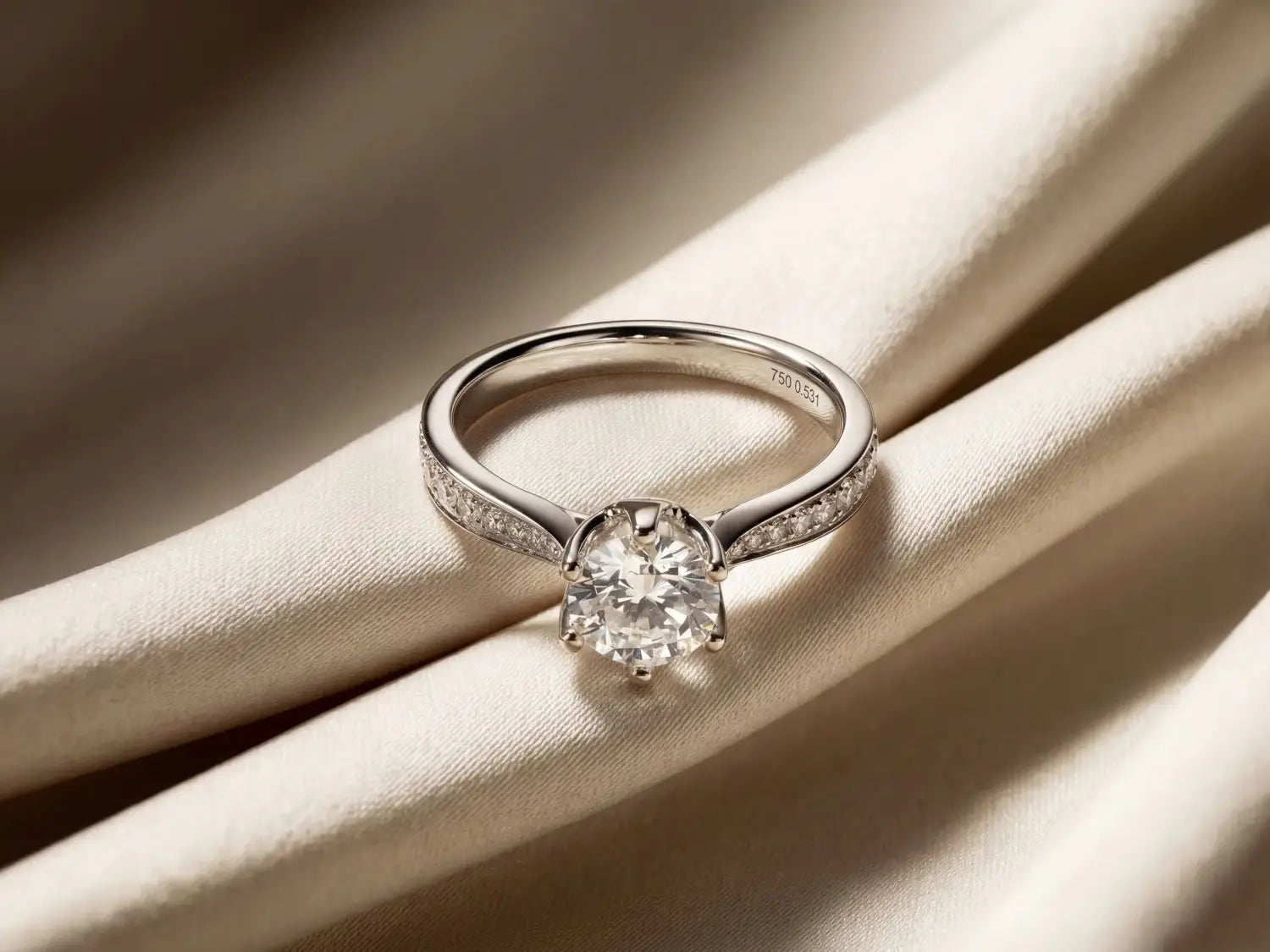
At ArtGold Jewelry, we understand the importance of making a well-informed decision when it comes to buying diamonds. As a family-owned boutique and atelier since 2005, we are committed to providing our customers with diamonds that uphold the traditions of quality and value.
Explore our Engagement Rings Collection to discover exquisite designs like the Eternal Radiance Diamond Engagement Ring in 18K White Gold, crafted to last a lifetime.
For further reading, I recommend exploring these insightful articles:
- Distinguishing Between Lab Grown Diamonds and Natural Jewels for Wise Consumers
- Educational Insights for Choosing Natural Diamonds Over Lab Grown Gems
- Natural Diamonds and Lab Grown Variants Understanding the Long-term Value
Ultimately, the decision between lab grown and natural diamonds is about what you'll cherish for years to come. For timeless elegance and enduring value, natural diamonds remain the superior choice for fine and investment-grade jewelry. Their rarity, history, and emotional significance continue to capture the imagination and hearts of true diamond aficionados. Visit us at ArtGold Jewelry to explore our exclusive creations and receive personalized guidance with warmth and expertise.
FAQs
What are lab-grown diamonds made of?
Lab-grown diamonds are created using advanced technological processes that replicate the natural conditions under which diamonds form in the earth. They are chemically, physically, and optically identical to natural diamonds.
How do lab-grown diamonds compare to natural diamonds in terms of durability?
Lab-grown diamonds are equally durable as natural diamonds. Both have a hardness rating of 10 on the Mohs scale, making them resistant to scratching and ideal for everyday wear in jewelry.
Are lab-grown diamonds less expensive than natural diamonds?
Yes, lab-grown diamonds typically cost 20-40% less than their natural counterparts due to their more efficient production methods and lower market demand. This price difference can make them an attractive option for buyers.
Do lab-grown diamonds hold their value?
While lab-grown diamonds are cheaper initially, they tend to depreciate more quickly than natural diamonds. Natural diamonds often retain or even appreciate in value due to their rarity and market demand.
What are the environmental impacts of lab-grown versus natural diamonds?
Lab-grown diamonds have a smaller environmental footprint since they do not require mining, which can disrupt ecosystems and deplete natural resources. Natural diamond mining, on the other hand, can result in significant environmental degradation.
How can I tell the difference between lab-grown and natural diamonds?
It can be quite challenging for an untrained eye to distinguish between lab-grown and natural diamonds. However, gemological laboratories can provide verification through advanced testing methods to determine the origin of the diamond.
Are there ethical concerns associated with lab-grown diamonds?
Lab-grown diamonds are often considered more ethical than natural diamonds since they are free from the issues associated with conflict diamonds, which can fund violence and human rights abuses in certain regions.
What settings are best for lab-grown diamonds in jewelry?
Lab-grown diamonds can be set in any jewelry style that suits natural diamonds. They work beautifully in engagement rings, earrings, necklaces, and bracelets, allowing for a wide range of design possibilities.
Can lab-grown diamonds be recycled or repurposed?
Yes, lab-grown diamonds can be recycled or reprised just like natural diamonds. This makes them a sustainable choice for consumers looking for versatility in their jewelry pieces.
What trends are emerging in the lab-grown diamond market?
The demand for lab-grown diamonds is growing as consumers increasingly focus on sustainability and ethical sourcing. This trend is leading to innovative designs and greater acceptance in the luxury jewelry market.


