COMPLIMENTARY SHIPPING OVER $99.


Natural Diamonds vs Lab Grown Making Wise Investment Choices
Welcome to ArtGold Jewelry, your trusted family-owned boutique and atelier since 2005. As someone who has spent over 20 years in the jewelry industry, I understand the significance of choosing the right diamond for your special occasions and investments. Today, we're diving into the illuminating world of natural diamonds versus lab-grown diamonds. This topic is crucial when considering an investment in fine jewelry and heirloom pieces.
Table of Contents
- Table of Contents
- Understanding Natural and Lab Grown Diamonds
- Natural Diamonds: Timeless and Irreplaceable
- Lab Grown Diamonds: Fashionable and Affordable
- Making Your Decision
- Conclusion
- FAQs
Understanding Natural and Lab Grown Diamonds
Let's begin with a fundamental diamond education. Both natural and lab-grown diamonds are chemically and physically similar, as lab-grown varieties are created under controlled conditions that mimic the natural diamond formation process. However, when considering an investment, several factors separate natural diamonds from their lab-grown counterparts.
Natural Diamonds: Timeless and Irreplaceable
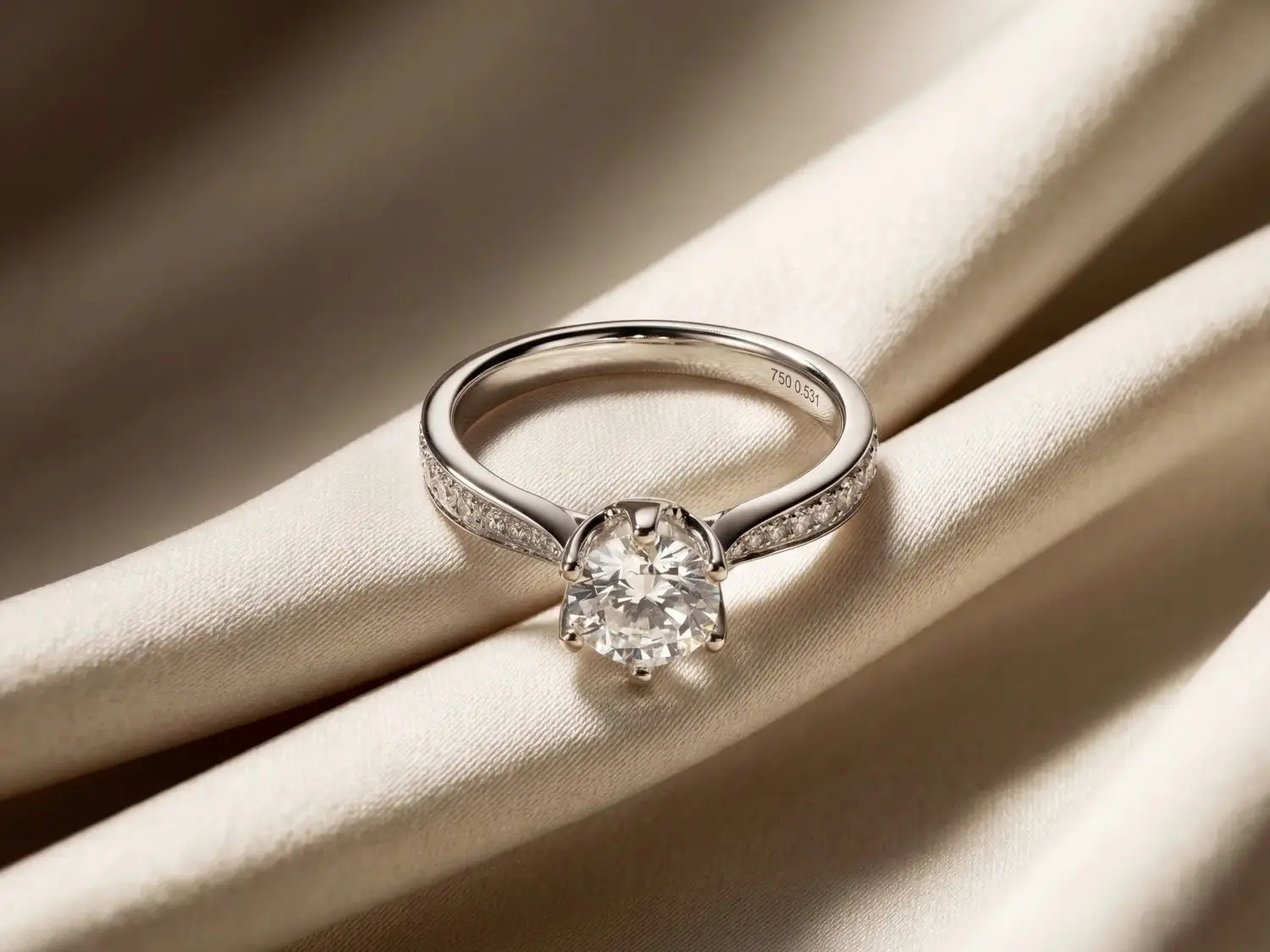
Natural diamonds have been favored for thousands of years, both for their exceptional beauty and enduring value. These gems are rare, having formed over millions of years deep within the Earth. The rarity and remarkable journey of natural diamonds not only contribute to their allure but ensure they maintain their value over time. As such, they are the preeminent choice for fine jewelry, especially when selecting engagement rings and heirloom pieces intended to be cherished for generations.
Explore the elegance of our Eternal Radiance Diamond Engagement Ring in 18K White Gold or the classic beauty of the Cathédrale Round to see how natural diamonds can enhance your precious moments.
Ethical Improvements in Natural Diamond Production
It's essential to recognize the historical ethical concerns associated with natural diamond mining. Fortunately, significant strides have been made in traceable sourcing and certification, ensuring that more ethically-produced diamonds are now available. Transparency has become a priority in the industry, minimizing the impact on affected communities and the environment. To learn more about making informed ethical choices, refer to our article on Ethical Diamonds: Choosing Between Lab Grown and Natural Options Smartly.
Lab Grown Diamonds: Fashionable and Affordable
While lab-grown diamonds might share the brilliance of natural stones, there are key distinctions to consider. One of the main drawbacks of lab-grown diamonds is their substantial energy consumption during production. Additionally, they possess a declining resale value, primarily due to the ongoing price depreciation caused by market oversupply. This can make lab-grown diamonds less appealing as long-term investments.
Lab-grown diamonds certainly have their place; they are well-suited for trendy or fashion jewelry. They're perfect for those looking to enjoy the beauty of diamonds without the premium price tag associated with natural stones. For an in-depth exploration of these differences, our article Understanding Diamond Buying Guide: Differences between Lab Grown and Natural Diamonds provides a comprehensive look.
Making Your Decision
When choosing between natural and lab-grown diamonds, it's essential to decide based on both current sentiment and long-term perspective. If your intent is to create future family heirlooms or invest in pieces that retain their value, natural diamonds remain the superior choice. They embody lasting value, rarity, and significance that resonate through time.
For those attracted to the beauty of lab-grown diamonds, these can add sparkle to contemporary jewelry collections while being aware of the potential depreciation in value. Balancing both aesthetic preference and investment foresight is key.
Conclusion
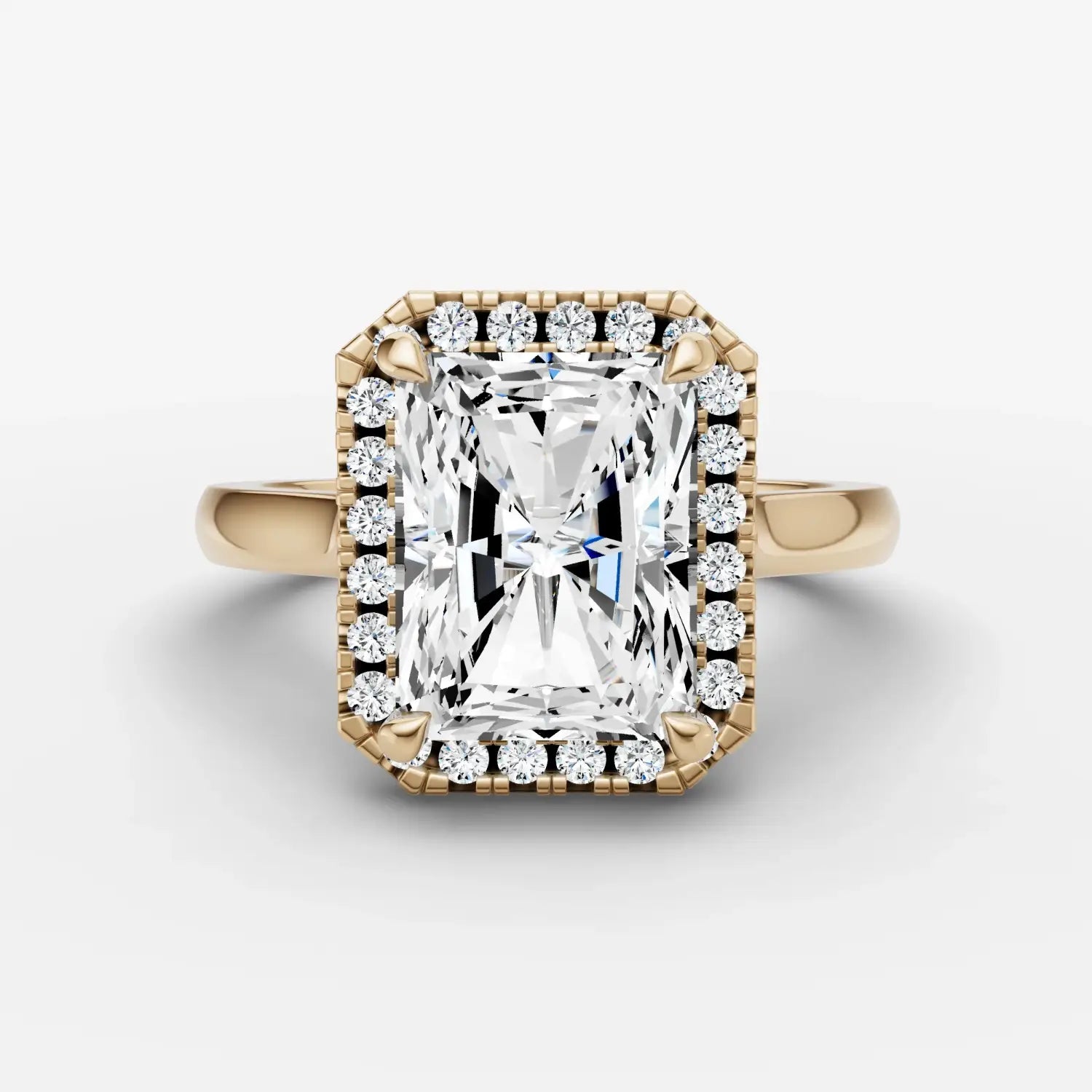
From the timeless elegance of an Aurore Emerald to the sophistication of an Étoile Marquise, each diamond selection should reflect your individual intent and values. At ArtGold Jewelry, we pride ourselves on offering both natural and lab-grown diamonds tailored to meet diverse needs and discerning tastes.
To further educate yourself on the advantages of natural diamonds over lab-grown, browse our insightful article Diamond Education 101: Benefits of Choosing Natural Diamonds Over Lab Grown.
Together, let's make choices that honor tradition, appreciate beauty, and provide lasting value. Visit ArtGold Jewelry to explore our full selection and let us assist you in finding a piece that truly resonates with you.
FAQs
What are natural diamonds?
Natural diamonds are formed over millions of years deep within the Earth’s mantle under extreme pressure and heat. Each diamond is unique, bearing the distinct characteristics of its formation process.
What are lab-grown diamonds?
Lab-grown diamonds are created in controlled environments using advanced technological processes that mimic the natural conditions required for diamond formation. They possess the same physical and chemical properties as natural diamonds.
Are lab-grown diamonds cheaper than natural diamonds?
Yes, lab-grown diamonds typically cost 20-40% less than their natural counterparts. This price difference is primarily due to the lower production costs and the higher availability of lab-created stones.
Do lab-grown diamonds hold their value?
Lab-grown diamonds do not tend to retain their value as well as natural diamonds. While they can be an excellent choice for personal jewelry, their resale value may be lower compared to natural diamonds.
How can I tell the difference between a natural diamond and a lab-grown diamond?
Both types of diamonds can look identical to the untrained eye, but professional gemologists can differentiate them using specialized equipment. Lab-grown diamonds may also come with specific certification indicating their origin.
Are lab-grown diamonds environmentally friendly?
Lab-grown diamonds are often considered more environmentally responsible than natural diamonds, as they do not involve mining processes that can disrupt ecosystems and contribute to environmental degradation.
Which type of diamond is a better investment?
Investing in natural diamonds is generally considered a safer choice due to their historical value retention and greater demand. However, lab-grown diamonds may serve as a good option for those looking for a more budget-friendly option without sacrificing quality.
What should I consider when choosing between natural and lab-grown diamonds?
Consider factors such as budget, personal preferences, ethical considerations, and investment potential. Each option has its pros and cons, so making a well-informed decision based on your values and priorities is essential.
Can lab-grown diamonds be used in engagement rings?
Absolutely! Lab-grown diamonds are increasingly popular for engagement rings due to their beauty and affordability. Many couples appreciate the option to choose a lab-created stone for its ethical implications and value.


