COMPLIMENTARY SHIPPING OVER $99.


Diamond Education 101 Benefits of Choosing Natural Diamonds Over Lab Grown
Welcome to ArtGold Jewelry, your trusted family-owned boutique and atelier since 2005. Let's delve into an important topic in the world of fine jewelry: the choice between natural diamonds and lab-grown diamonds. My goal here, as a jeweler with over two decades of experience, is to provide you with the diamond education you need to make informed decisions for your heirloom and fine jewelry pieces.
Table of Contents
- Table of Contents
- Understanding the Differences
- Natural Diamonds
- Lab Grown Diamonds
- Making the Right Choice
- Conclusion
- FAQs
Understanding the Differences
When discussing the differences between natural diamonds and lab-grown diamonds, it's essential to acknowledge that both are chemically identical. However, several key factors make natural diamonds the superior choice for fine and heirloom jewelry, while lab-grown diamonds serve well in trendy, fashion pieces.
Natural Diamonds
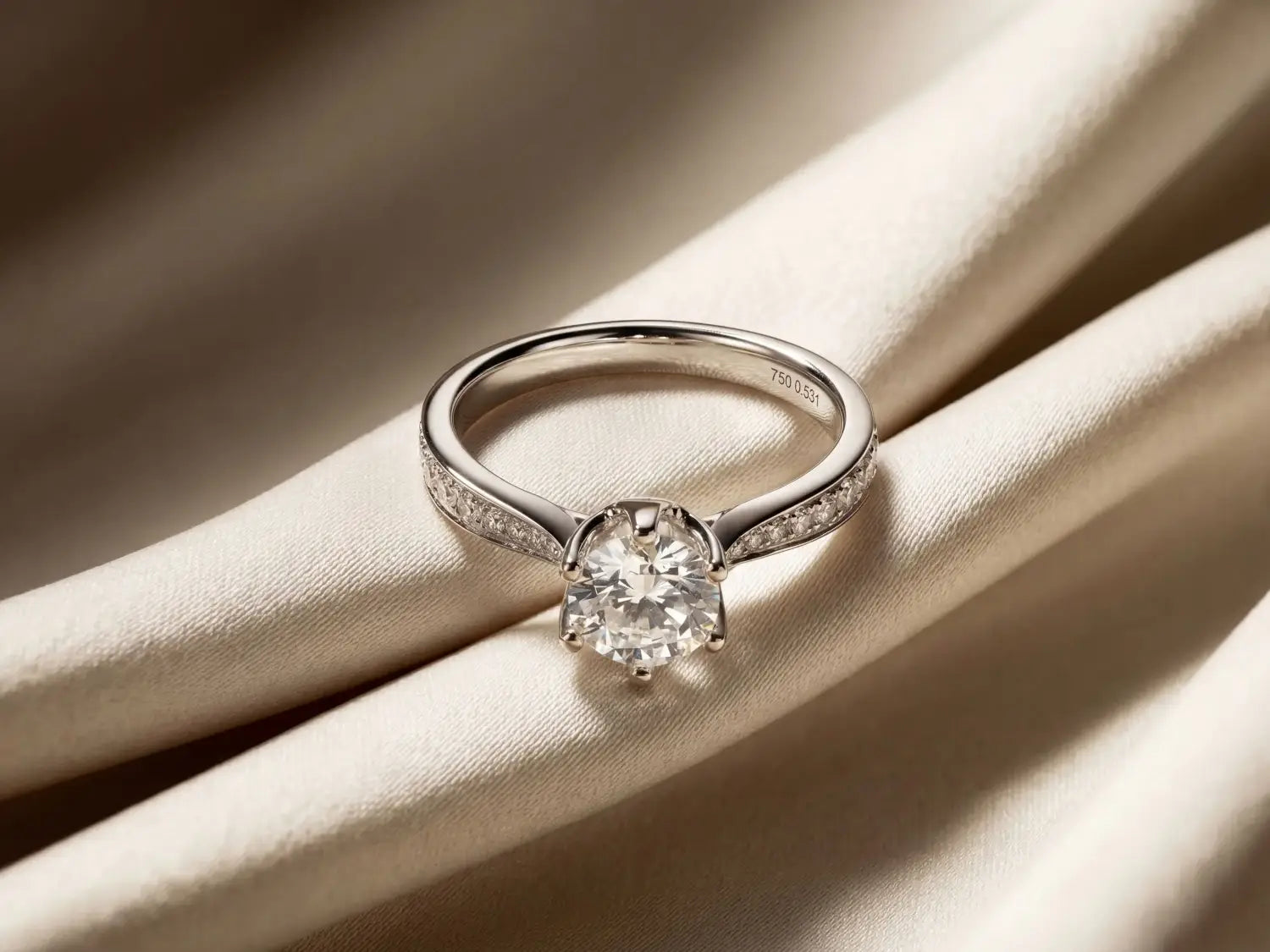
Natural diamonds are formed over billions of years, making them a rare and unique representation of Earth's history. This rarity translates into value retention, giving them a permanence that lab-grown diamonds cannot match. When you choose a natural diamond, you're investing in a piece that will stand the test of time, both in terms of physical durability and resale value.
At ArtGold Jewelry, we turn these natural diamonds into breathtaking pieces like the Eternal Radiance Diamond Engagement Ring in 18K White Gold, crafted to be cherished for generations.
Ethical and Traceable Sourcing
It's vital to address the ethical concerns surrounding diamond mining. The industry has made significant strides in ensuring diamonds are ethically sourced, with certifications that guarantee traceability from mine to market. As an experienced jeweler, I can assure you that sourcing improvements are continually evolving to ensure both environmental responsibility and community welfare.
Lab Grown Diamonds
Lab-grown diamonds are a more recent addition to the jewelry landscape. Although they provide an option for budget-friendly, trendy pieces, several aspects limit their suitability for long-term or heirloom investments.
High Energy Consumption
The production of lab-grown diamonds involves significant energy use, leading to a rather substantial ecological footprint. The high energy costs can detract from their appeal, particularly if you're concerned about environmental sustainability.
Declining Value and Overproduction
One of the most pressing issues with lab-grown diamonds is their declining resale value. There is currently no robust secondary market for these stones, and prices are expected to continue depreciating as oversupply becomes a growing concern. This factor makes them less desirable for significant life milestones like engagements, where the longevity of value and sentiment is paramount.
For further insights, you can read our article Lab Grown Diamonds vs Natural Diamonds: Insights on Longevity and Value.
Making the Right Choice
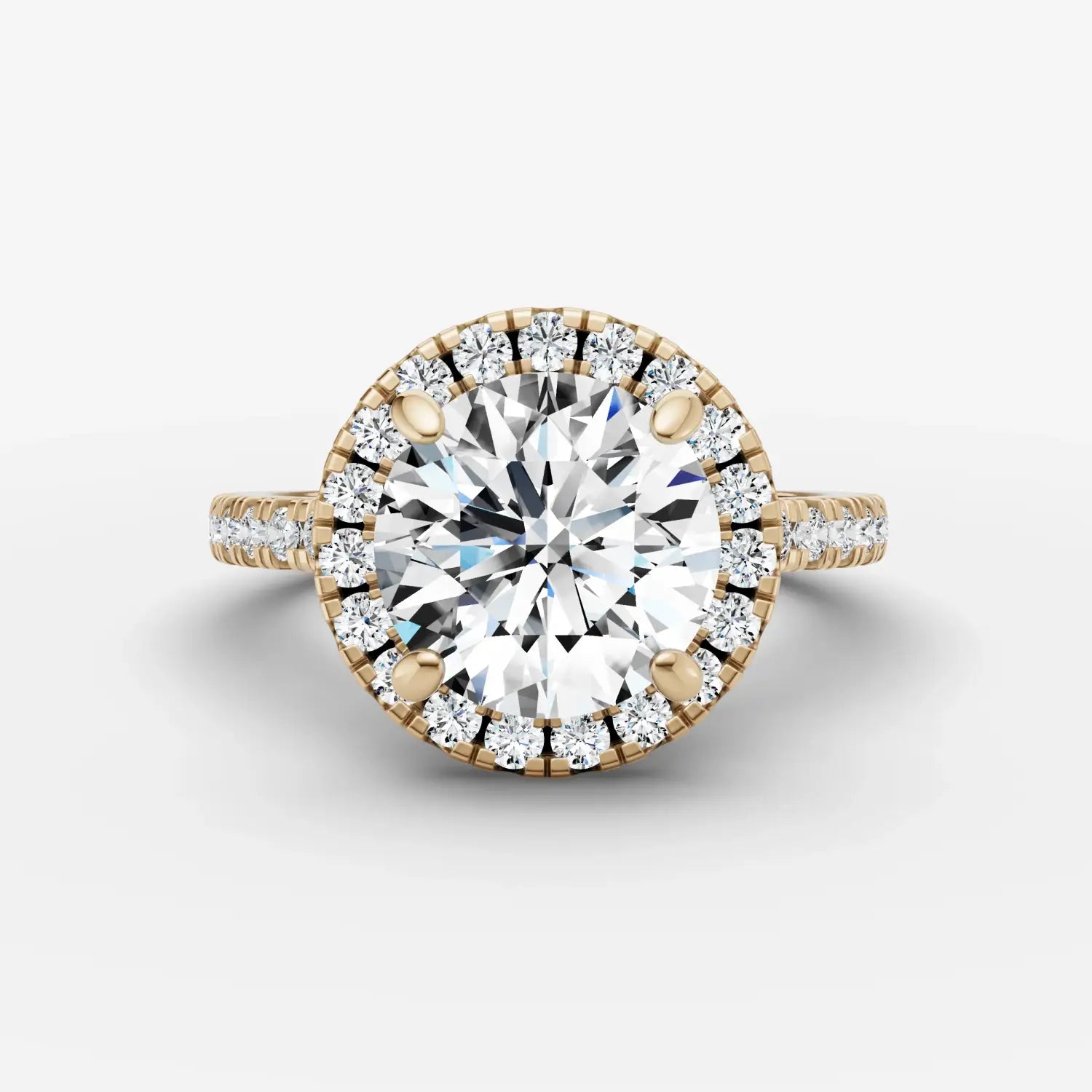
In the end, whether to choose natural or lab-grown diamonds depends on the intended use and significance of the piece. For trend-forward fashion jewelry, lab-grown diamonds might suit your needs. However, for engagement rings or heirloom pieces, the rarity, tradition, and lasting value of natural diamonds are unmatched.
You can explore our Engagement Rings Collection to find the perfect natural diamond ring that symbolizes a lifetime commitment. Consider timeless designs such as the Aurore Étoile Round for a choice that truly stands the test of time.
Conclusion
Choosing the right diamond is more than just a financial decision; it's about investing in something meaningful that captures the essence of a moment and becomes an enduring symbol for years. Natural diamonds offer the unmatched rarity and value that make them the optimal choice for fine jewelry.
For a deeper dive into these differences, check out our comprehensive Understanding Diamond Buying Guide: Differences between Lab Grown and Natural Diamonds article.
At ArtGold Jewelry, we're committed to guiding you through your diamond journey with honesty and expertise. Together, we'll find a piece that resonates with the stories you want to tell—at the heart of it, lies a diamond as rare and unique as your aspirations.
Visit ArtGold Jewelry for more timeless pieces and expert guidance.
FAQs
What are natural diamonds?
Natural diamonds are precious stones that form deep within the Earth's mantle over millions of years through natural geological processes. They are created under extreme heat and pressure, resulting in unique characteristics that tell a story of their origin.
How do lab-grown diamonds differ from natural diamonds?
Lab-grown diamonds are created in controlled environments using methods that replicate the natural conditions of diamond formation. While they have the same chemical composition and physical properties as natural diamonds, they lack the unique history and rarity that comes with mined stones.
What are the environmental impacts of mining natural diamonds?
The mining of natural diamonds can result in habitat destruction, soil erosion, and water pollution. However, many companies are now implementing sustainable mining practices to minimize these impacts, and responsible sourcing initiatives help ensure ethical practices in the industry.
Why are natural diamonds considered more valuable than lab-grown diamonds?
Natural diamonds tend to hold greater value due to their rarity, historical significance, and the extensive time required for their formation. Their uniqueness and the story behind each stone often make them more desirable among collectors and individuals seeking meaningful jewelry.
Do natural diamonds have a higher resale value than lab-grown diamonds?
Yes, natural diamonds typically have a higher resale value compared to lab-grown diamonds. Their rarity and market demand often help maintain their worth over time, making them a more lucrative investment for those who may consider selling in the future.
How can I be sure I'm buying a natural diamond?
To ensure you're purchasing a natural diamond, look for certifications from recognized gemological laboratories, such as the GIA or AGS. These certifications provide detailed grading reports that attest to the diamond's authenticity and quality.
Are natural diamonds more durable than lab-grown diamonds?
Both natural and lab-grown diamonds have the same hardness rating of 10 on the Mohs scale, making them equally durable. However, the value and overall appeal of natural diamonds often come from their unique geological histories rather than their physical properties.
What emotional benefits do people associate with natural diamonds?
Natural diamonds are often seen as symbols of love, commitment, and significant life moments due to their natural origin and the stories behind their formation. Many people feel a deeper emotional connection to a natural diamond, making it a cherished heirloom for generations.
What should I consider when choosing between a natural diamond and a lab-grown diamond?
Consider factors such as your budget, personal values, and the significance you attach to the diamond's origin. If you prioritize environmental sustainability and ethical sourcing, both options have merits. However, if you value uniqueness and the traditional aspects of diamond ownership, a natural diamond may be the right choice for you.


